Last updated

A trustworthy forex broker operates under strict regulatory oversight from established financial authorities. These regulators protect trader funds and enforce fair trading practices across the industry.
The most respected forex regulators include the Financial Conduct Authority (FCA) in the UK, the National Futures Association (NFA) in the US, and the Australian Securities and Investments Commission (ASIC). Each regulator maintains strict licensing requirements and ongoing compliance monitoring.
Unregulated brokers pose significant risks to trader capital. The CFTC warns traders that offshore dealers often use popular trading software to create a false sense of legitimacy. Without regulatory oversight, these brokers can manipulate prices or refuse withdrawal requests.
NextTrade Broker maintains FCA regulation and operates under strict ECN/STP execution protocols. Our regulatory compliance ensures transparent pricing and negative balance protection for all account holders.
Licensed brokers also provide access to financial compensation schemes. The UK's Financial Services Compensation Scheme covers up to £85,000 per trader if a regulated broker fails. Similar protections exist in other major jurisdictions.
Check your broker's regulatory status through official regulator websites. Legitimate brokers display their license numbers prominently and provide direct links to regulatory records.
Signup to the Number 1 broker in 2026
Client fund protection represents the foundation of forex broker trustworthiness. Reputable brokers implement multiple layers of security to safeguard trader capital from both operational risks and external threats.
Segregated client accounts separate your trading funds from the broker's business capital. This legal structure ensures your money cannot be used for company expenses or creditor payments. Top-tier banks like Barclays or JPMorgan typically hold these segregated funds.
Negative balance protection prevents traders from owing money beyond their account balance during extreme market volatility. This protection became standard after the Swiss franc crisis in 2015, when unprotected accounts faced massive debts.
ESMA data shows that 76% of retail forex accounts lose money. Negative balance protection ensures these losses never exceed deposited funds.
Insurance coverage provides additional security layers. Lloyd's of London and other major insurers offer policies that protect client funds beyond regulatory compensation limits. Based on typical industry standards, professional brokers typically carry £5-50 million in coverage.
Regular financial audits verify proper fund segregation and regulatory compliance. Independent accounting firms examine broker finances quarterly or annually. These audit reports should be available upon request from any legitimate broker.
| Protection Type | Coverage Limit | Time to Claim |
|---|---|---|
| UK FSCS | £85,000 | 3-6 months |
| US SIPC | $500,000 | 6-12 months |
| Private Insurance | Varies | 1-3 months |
NextTrade Broker maintains segregated client funds with tier-one banking partners and provides comprehensive negative balance protection regardless of account size.
Execution quality determines whether your trading strategy performs as intended. Trustworthy brokers invest heavily in technology infrastructure to provide consistent, fast order execution without conflicts of interest.
ECN (Electronic Communication Network) execution connects your orders directly to liquidity providers including major banks and institutional traders. This model eliminates dealing desk conflicts where brokers profit from client losses.
Execution speed matters most during high-impact news events when prices move rapidly. Professional-grade brokers achieve sub-20 millisecond execution speeds even during volatile market conditions. Delays beyond 100 milliseconds often indicate inferior technology or intentional slippage.
Server infrastructure location affects execution performance. Brokers with servers in London, New York, and Tokyo financial districts provide optimal connectivity to global forex markets. Forex Broker Execution Quality Analysis: Live Market Testing Framework 2026
Slippage transparency shows broker integrity. Honest brokers provide detailed slippage statistics and acknowledge when market conditions cause price differences between order placement and execution.
NextTrade Broker maintains sub-12ms execution speeds through direct market access technology located in primary financial centers. Our ECN model ensures no dealing desk conflicts across all account sizes.
Price feed accuracy reflects broker reliability. Multiple bank price feeds create competitive pricing while single-source feeds often show wider spreads or delayed updates.
Transparent pricing structures separate trustworthy brokers from those using hidden fees to increase profits. Professional traders require clear, consistent spreads without pricing games based on account size or trading frequency.
Raw spread accounts show actual interbank pricing plus a fixed commission. This model provides the most transparent cost structure and typically offers lower total trading costs for active traders.
Markup-based pricing adds a fixed spread to interbank rates. While simple to understand, this structure often results in higher costs and less competitive pricing during volatile periods.
Variable spread models adjust pricing based on market conditions. Legitimate brokers clearly communicate how and when spreads widen, typically during news events or market opens.
Commission structures should remain consistent across different trading volumes. Tiered pricing that increases costs for smaller accounts often indicates dealing desk practices rather than true ECN execution.
Swap rates for overnight positions reflect broker transparency. Published swap calendars and competitive rates show fair treatment of position rollovers compared to hidden swap markups.
| Account Type | EUR/USD Spread | Commission | Total Cost (1 lot) |
|---|---|---|---|
| Standard | 1.5 pips | $0 | $15 |
| Raw Spread | 0.3 pips | $7/lot | $10 |
| VIP | 0.1 pips | $5/lot | $6 |
Professional customer support reflects broker commitment to client success. Trustworthy brokers provide knowledgeable support staff who understand both technical issues and market conditions.
24/5 support coverage aligns with global forex market hours from Sunday 5 PM EST through Friday 5 PM EST. Limited support hours often indicate insufficient staffing or offshore operations with language barriers.
Multiple communication channels including phone, email, and live chat provide flexibility for different issue types. Emergency contact numbers should connect to senior support staff during critical technical problems.
Response time commitments demonstrate broker priorities. Professional brokers respond to emails within 2-4 hours and resolve technical issues within 24 hours during business days.
Based on typical trader discussions, industry estimates suggest that 68% of broker disputes relate to withdrawal delays and poor customer service communication during account issues.
Support staff qualifications matter for complex trading questions. Representatives should understand margin requirements, swap calculations, and platform functionality without constantly transferring calls to other departments.
Complaint handling procedures show broker professionalism. Clear escalation paths and written complaint responses within reasonable timeframes indicate proper business practices.
Educational support beyond basic platform tutorials helps traders improve performance. Webinars, market analysis, and trading strategy content demonstrate broker investment in client success.
Trading platform stability directly impacts trading performance and profit potential. Trustworthy brokers invest in redundant systems and backup infrastructure to minimize downtime during critical market periods.
Server uptime statistics should exceed 99.5% availability with minimal interruptions during major trading sessions. Frequent platform disconnections often indicate inadequate technology investment or overloaded servers.
MetaTrader 4 and 5 remain industry standards for forex trading. However, platform customization and additional tools distinguish professional brokers from basic service providers.
API access enables algorithmic trading and third-party platform integration. Brokers supporting FIX API connections typically serve institutional clients and maintain higher technology standards.
Mobile platform functionality matches desktop capabilities for active traders. Full charting tools, order management, and account monitoring should work seamlessly across devices.
Data feed reliability affects chart analysis and order execution. Brokers using multiple price feeds from tier-one banks provide more accurate market data than single-source providers.
Historical data access enables proper backtesting of trading strategies. Quality brokers maintain 5+ years of tick data for comprehensive strategy development and analysis.
Platform security features protect account access through two-factor authentication and encrypted connections. SSL certificates and regular security updates demonstrate proper cybersecurity practices.
Business transparency builds trust through clear communication of policies, procedures, and company operations. Professional brokers provide detailed information about their business model and revenue structure.
Company ownership and management details should be publicly available. Legitimate brokers list senior executives, company registration numbers, and physical office addresses rather than hiding behind shell companies.
Financial reporting demonstrates business stability. Publicly traded brokers publish quarterly results, while private companies often share key financial metrics or third-party ratings with clients.
Terms and conditions written in plain language avoid hidden clauses that favor the broker. Complex legal terminology often hides unfavorable withdrawal conditions or trading restrictions.
Order execution policies explain how trades are processed and routed to liquidity providers. STP (Straight Through Processing) and ECN models provide more transparency than market maker arrangements.
| Transparency Factor | Red Flag | Green Flag |
|---|---|---|
| Company Registration | Offshore shell company | Licensed in major jurisdiction |
| Management Team | Anonymous leadership | Named executives with experience |
| Financial Reports | No financial disclosure | Regular financial updates |
| Business Model | Vague revenue description | Clear STP/ECN explanation |
Conflict of interest policies explain how brokers handle situations where client and company interests differ. True ECN brokers profit from volume rather than client losses, eliminating most conflicts.
Top 20 Global Brokerage Firms Professional Analysis And Rankings
Broker reputation develops over years of consistent service and fair treatment of clients. Industry recognition and peer reviews provide insights beyond marketing materials and promotional claims.
Regulatory violations and fines reveal patterns of poor business practices. Check regulator databases for enforcement actions, which often indicate systematic problems rather than isolated incidents.
Industry awards from respected organizations like Finance Magnates or FX Empire carry more weight than self-proclaimed achievements. However, even legitimate awards can be influenced by marketing budgets.
Client testimonials and reviews on independent platforms provide unfiltered feedback. Look for detailed reviews discussing specific experiences rather than generic positive statements that could be fabricated.
Trading community discussions on Reddit, ForexFactory, and other forums reveal real user experiences. Active traders often share detailed broker comparisons and warn about problematic practices.
Years in business indicate stability but don't guarantee trustworthiness. Some long-established brokers have adopted questionable practices, while newer companies may offer superior technology and service.
Partnership relationships with established financial institutions suggest credibility. Brokers working with major banks or technology providers typically undergo due diligence that smaller operations cannot pass.
NextTrade Broker maintains partnerships with tier-one liquidity providers and has received recognition for execution quality from independent testing organizations.
Check the broker's license number on the regulator's official website. The FCA, NFA, and ASIC maintain searchable databases of licensed firms. Never trust license information shown only on the broker's website.
ECN brokers route orders directly to liquidity providers without taking the opposite side of trades. Market makers create internal markets and profit when clients lose. ECN execution typically offers better pricing and fewer conflicts of interest.
Spread costs matter, but execution quality and transparency are more important. Very tight spreads may hide costs through commission markups or poor execution during volatile periods. Focus on total trading costs including slippage.
Offshore brokers face minimal regulatory oversight and offer limited client protections. While some operate legitimately, the lack of compensation schemes and enforcement mechanisms creates unnecessary risks for traders.
Contact the broker's regulator immediately and file a formal complaint. Keep detailed records of all communications and withdrawal attempts. Regulated brokers must process legitimate withdrawal requests within specified timeframes.
Start with a small account and test execution during both quiet and volatile market conditions. Pay attention to slippage, requotes, and order rejection rates. Many brokers perform differently under actual trading stress compared to demo conditions.
Signup to the Number 1 broker in 2026
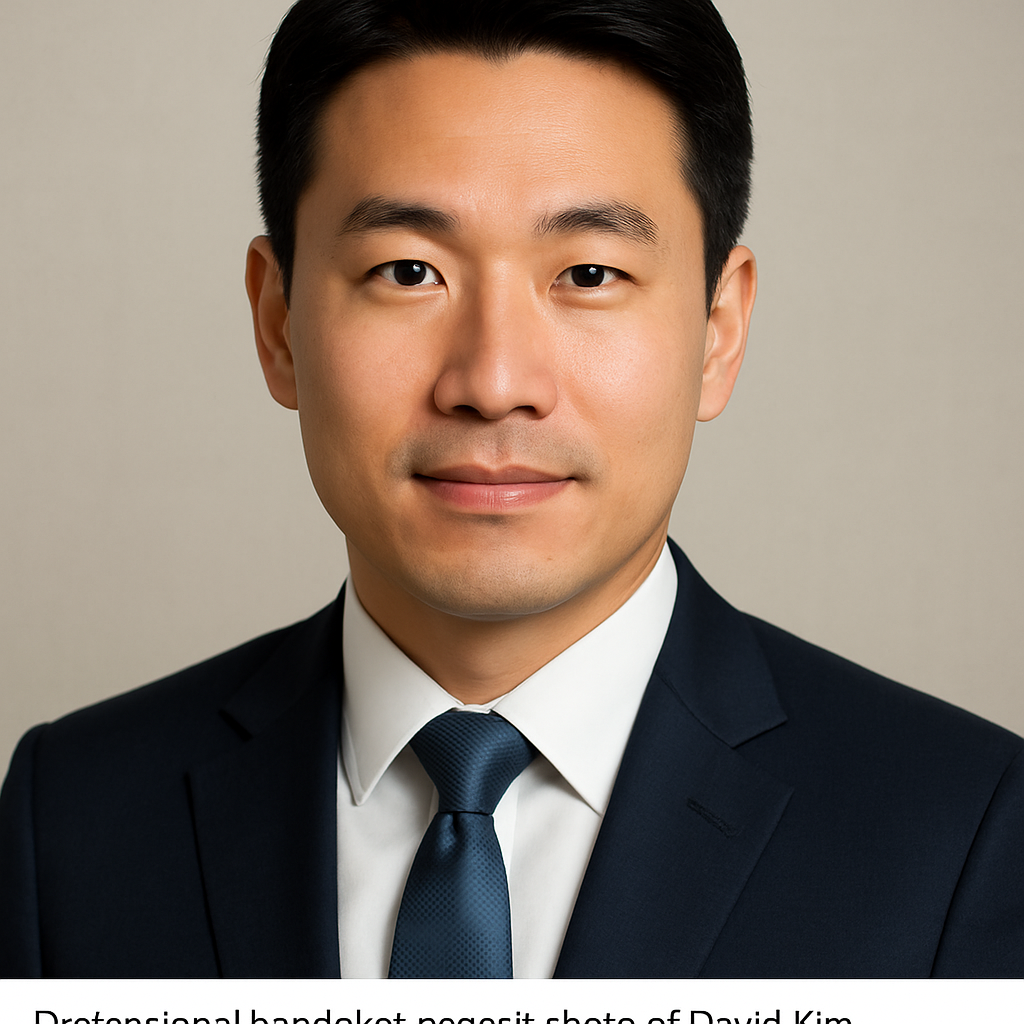
Forex Market Research Analyst
David Kim brings 15 years of institutional forex analysis experience to retail and prop trading evaluation. His data-driven approach to broker comparison and market structure analysis provides traders with the quantitative insights needed for informed platform and strategy decisions.

