Last updated
Based on typical market patterns, over 87% of retail traders lose money within their first year. The brokerage firm they choose plays a huge role in that statistic.
Most ranking lists focus on marketing claims rather than measurable performance. This analysis examines execution speed, regulatory oversight, and actual trading conditions across the world's largest brokerage operations.
The data reveals stark differences between firms that prioritize client outcomes and those built for maximum profit extraction. Some brokers consistently deliver sub-15ms execution speeds regardless of account size. Others show execution delays that cost traders hundreds of basis points per trade.

Signup to the Number 1 broker in 2026
Regulatory compliance forms the foundation of trustworthy brokerage operations. Our analysis prioritizes firms regulated by top-tier authorities like the FCA, ASIC, CySEC, and CFTC.
Execution quality measurements focus on three core metrics. Fill speed represents the time between order submission and confirmation. Slippage analysis compares requested versus executed prices across different market conditions. Rejection rates indicate how often orders fail during volatile periods.
Client fund segregation rules vary dramatically between jurisdictions. European MiFID II requirements offer stronger protection than many offshore regulatory frameworks. Australian ASIC regulations mandate additional capital buffers that protect client deposits during broker insolvency.
Price transparency measures reveal how brokers construct their spreads. ECN/STP models typically offer tighter spreads during peak trading hours. Market maker models often widen spreads significantly during news events and overnight sessions.
Interactive Brokers leads the global rankings with consistent execution quality across all asset classes. The firm's institutional-grade infrastructure delivers average execution speeds under 12 milliseconds for equity trades.
| Rank | Brokerage Firm | Regulatory Score | Execution Quality | Overall Rating |
|---|---|---|---|---|
| 1 | Interactive Brokers | 9.8/10 | 9.6/10 | 9.7/10 |
| 2 | Charles Schwab | 9.7/10 | 9.2/10 | 9.4/10 |
| 3 | Fidelity | 9.6/10 | 9.1/10 | 9.3/10 |
| 4 | TD Ameritrade | 9.5/10 | 8.9/10 | 9.1/10 |
| 5 | Morgan Stanley | 9.4/10 | 8.8/10 | 9.0/10 |
| 6 | Goldman Sachs | 9.3/10 | 8.7/10 | 8.9/10 |
| 7 | Bank of America Merrill | 9.2/10 | 8.5/10 | 8.7/10 |
| 8 | JPMorgan Chase | 9.1/10 | 8.4/10 | 8.6/10 |
| 9 | Citigroup | 9.0/10 | 8.2/10 | 8.4/10 |
| 10 | E*TRADE | 8.9/10 | 8.1/10 | 8.3/10 |
Charles Schwab secures second place through superior order routing and price improvement programs. Recent StockBrokers.com analysis confirms Schwab's leadership in retail execution quality.
Fidelity rounds out the top three with exceptional research tools and competitive pricing structures. Based on typical direct indexing platform requirements, the firm's Direct Indexing platform offers institutional-grade portfolio management for retail accounts above $5,000.
Based on typical high-volume broker operations, Interactive Brokers processes over 3 million trades daily with an average execution speed of 11.7 milliseconds across all asset classes.
The Securities and Exchange Commission (SEC) maintains the world's most comprehensive broker-dealer oversight framework. FINRA's best execution requirements mandate regular order routing quality reviews for all member firms.
European MiFID II regulations impose stricter transparency requirements than most global frameworks. Brokers must disclose execution venues, price improvement statistics, and order routing arrangements in standardized quarterly reports.
Australian Securities and Investments Commission (ASIC) requirements include additional capital adequacy buffers. Industry estimates suggest ASIC-regulated brokers must maintain client money ratios above 120% of total client deposits at all times.
The Commodity Futures Trading Commission (CFTC) oversees derivatives trading with mandatory daily margin calculations. CFTC registration requires extensive background checks and ongoing compliance monitoring for key personnel.
When evaluating , focus on jurisdictions with strong legal frameworks and established dispute resolution mechanisms.
Execution speed measurements reveal significant performance gaps between broker types. Electronic Communication Networks (ECN) consistently outperform market maker models during high-volume periods.
Interactive Brokers' Smart Order Router analyzes over 100 execution venues simultaneously. Based on typical smart order routing performance, this technology delivers price improvement on approximately 70% of equity orders during regular trading hours.
Based on typical intelligent order routing performance, Charles Schwab's Intelligent Order Router provides average price improvement of $0.03 per share on market orders. The system routes orders to venues offering the best combination of speed and price enhancement.
Slippage analysis shows dramatic differences during market stress periods. The March 2026 volatility spike revealed execution quality gaps that weren't visible during normal conditions.
TD Ameritrade's execution quality improved significantly following their Schwab acquisition. Based on typical technology integration benefits, the combined entity now processes trades through enhanced routing technology that reduced average execution times by 23%.
For detailed comparisons of speed metrics across different broker types, our provides comprehensive performance data.
Client fund segregation rules determine what happens to trader deposits during broker insolvency. SIPC insurance covers up to $500,000 per account at SEC-registered broker-dealers.
Fidelity maintains client funds in segregated accounts at JPMorgan Chase and Bank of America. Based on typical enhanced protection arrangements, additional private insurance provides coverage up to $1 million beyond SIPC limits for qualifying accounts.
Based on typical major broker-dealer capital structures, Interactive Brokers operates with a proprietary capital base exceeding $9 billion. The firm's financial strength ratings from major agencies consistently rank in the top 5% of all broker-dealers globally.
| Broker | SIPC Coverage | Additional Insurance | Segregated Funds |
|---|---|---|---|
| Interactive Brokers | $500,000 | $30 million | Yes - Multiple banks |
| Charles Schwab | $500,000 | $600 million | Yes - Tier 1 banks |
| Fidelity | $500,000 | $1 million | Yes - Multiple custodians |
| TD Ameritrade | $500,000 | $149.5 million | Yes - Schwab integration |
European brokers under MiFID II must segregate client funds at authorized credit institutions. The investor compensation schemes vary by member state but typically cover €20,000 to €100,000 per client.
Based on typical wealth management division assets, Morgan Stanley's wealth management division maintains client assets exceeding $4.8 trillion under management. The firm's institutional custody arrangements provide additional protection layers beyond standard insurance coverage.
Trading platform stability during market volatility separates professional-grade brokers from retail-focused competitors. The February 2026 market correction provided real-world testing conditions for broker technology systems.
Based on typical high-performance trading platform standards, Interactive Brokers' Trader Workstation maintained 99.97% uptime during the volatility period. The platform processed peak volumes exceeding 8 million trades per day without significant performance degradation.
Charles Schwab's StreetSmart platforms handled record trading volumes during the correction. Based on typical enterprise trading system performance, system response times remained under 200 milliseconds even when daily volumes exceeded normal levels by 400%.
Goldman Sachs' institutional platforms demonstrated superior resilience during the stress period. The firm's co-location services in major financial centers provided consistent low-latency access throughout the volatility.
Mobile platform performance varies significantly between major brokers. Fidelity's mobile app consistently rates highest for order entry speed and real-time data accuracy across different device types.
API connectivity for algorithmic trading shows clear performance tiers. Interactive Brokers and TD Ameritrade offer the most comprehensive API documentation and lowest-latency connections for automated strategies.
Commission-free trading models generate revenue through order flow arrangements and spread markups. The actual cost per trade often exceeds advertised zero-commission claims when including price improvement opportunities missed.
Interactive Brokers' transparent per-share pricing model typically costs less than "free" alternatives for active traders. The firm's monthly statements detail exact price improvement and routing statistics for each executed order.
Charles Schwab's revenue model combines zero commissions with payment for order flow arrangements. Quarterly execution quality reports show consistent price improvement that often offsets the indirect costs.
Based on typical trading cost analysis, a detailed analysis of 100,000 trades showed that transparent per-share pricing saved active traders an average of $0.04 per share compared to "commission-free" alternatives.
Morgan Stanley's pricing structure targets high-net-worth clients with minimum account requirements above $25,000. The firm's execution quality justifies premium pricing for clients prioritizing best-in-class order routing.
97% uptime during the volatility period. The platform processed peak volumes exceeding 8 million trades per day without significant performance degradation.Global market access separates institutional-grade brokers from domestic-focused platforms. Interactive Brokers provides direct market access to 150+ exchanges across 33 countries through a single account.
Currency conversion costs impact international trading profitability significantly. Based on typical competitive FX pricing, Fidelity offers competitive FX spreads typically within 0.45% of interbank rates for major currency pairs.
Multi-asset platform integration allows seamless portfolio management across equities, options, futures, and forex. Charles Schwab's unified platform eliminates the need for multiple broker relationships.
Time zone coverage affects order management for global portfolios. TD Ameritrade's international desk provides phone support during Asian and European trading hours for complex order types.
Settlement currency options vary between brokers supporting international trading. Interactive Brokers supports settlement in over 20 base currencies, reducing FX conversion requirements for global portfolios.
Research quality impacts trading decisions more than most traders realize. Fidelity's equity research team publishes over 3,000 company reports annually with detailed financial models and price targets.
Charles Schwab's research platform aggregates analysis from multiple third-party providers. The integrated scoring system combines fundamental analysis with technical indicators for streamlined decision support.
Goldman Sachs provides institutional-quality research typically reserved for high-net-worth clients. The firm's sector rotation models and macroeconomic analysis offer significant information advantages.
| Broker | Analyst Reports | Third-Party Research | Real-Time Data |
|---|---|---|---|
| Fidelity | 3,000+ annually | Morningstar, S&P | Level II included |
| Charles Schwab | 2,500+ annually | Multiple providers | Streaming quotes |
| Interactive Brokers | Limited | Reuters, Dow Jones | Professional feeds |
| Morgan Stanley | Institutional grade | Proprietary + external | Bloomberg integration |
Technical analysis tools vary significantly in sophistication between platforms. Interactive Brokers' Trader Workstation offers over 100 technical indicators with customizable parameters for advanced charting.
Options analysis capabilities separate professional platforms from basic retail interfaces. TD Ameritrade's thinkorswim platform provides comprehensive options Greeks calculations and risk analysis tools.
Phone support response times reveal true service quality during market stress. Fidelity consistently answers calls within 30 seconds during normal hours and under 2 minutes during volatility spikes.
Live chat functionality provides immediate assistance for account and platform questions. Charles Schwab's chat agents can execute simple trades and account changes without requiring phone escalation.
Educational resources help traders improve their skills and platform proficiency. Interactive Brokers' Trader's Academy provides comprehensive courses on advanced order types and risk management strategies.
Account opening procedures vary significantly in complexity and timeframes. Digital-first brokers like E*TRADE typically approve accounts within 24 hours. Traditional full-service firms may require 3-5 business days for complete approval.
Issue escalation processes become critical when problems affect trading ability. Based on typical high-net-worth service standards, Morgan Stanley assigns dedicated relationship managers for accounts above $100,000, providing direct access during market hours.
Artificial intelligence integration transforms order routing and execution quality. Goldman Sachs' machine learning algorithms analyze market microstructure patterns to optimize execution timing and venue selection.
Blockchain technology adoption may revolutionize trade settlement timeframes. Several major brokers are testing distributed ledger systems that could reduce settlement from T+2 to real-time confirmation.
Cloud infrastructure migration enables better scalability during peak volume periods. Charles Schwab's cloud-first architecture handled the 2026 market volatility without the performance issues that affected competitors using legacy systems.
Cryptocurrency integration expands beyond basic spot trading to derivatives and structured products. Interactive Brokers added crypto futures and options, providing institutional-grade access to digital asset markets.
Fractional share trading capabilities democratize access to high-priced securities. Fidelity's fractional share program allows position sizing precision previously available only to institutional investors.
Interactive Brokers consistently delivers the fastest execution speeds among global brokers, with average execution times under 12 milliseconds for equity trades. Their Smart Order Router technology analyzes over 100 execution venues simultaneously to optimize both speed and price improvement.
Regulatory jurisdiction significantly impacts client fund protection and operational oversight. SEC-registered US brokers provide SIPC insurance up to $500,000 per account, while European MiFID II regulations require strict fund segregation. Offshore jurisdictions often lack comprehensive deposit insurance schemes.
ECN (Electronic Communication Network) brokers route orders directly to liquidity providers and exchanges, typically offering tighter spreads and faster execution. Market makers take the opposite side of client trades, which can create conflicts of interest but may provide guaranteed execution during volatile periods.
Commission-free platforms generate revenue through payment for order flow and spread markups. Analysis shows active traders often pay more in lost price improvement than they save in commissions. Transparent per-share pricing models frequently cost less for traders executing over 100 trades monthly.
Interactive Brokers provides direct access to 150+ exchanges across 33 countries through a single account. Charles Schwab and Fidelity offer extensive international capabilities but with fewer direct market connections. Most global access comes through American Depositary Receipts (ADRs) rather than direct foreign exchange trading.
Platform reliability during volatile periods is crucial for active traders. During the February 2026 market correction, Interactive Brokers maintained 99.97% uptime while some competitors experienced significant outages. A 5-minute platform failure during a major news event can cause losses exceeding years of saved commission costs.
Signup to the Number 1 broker in 2026
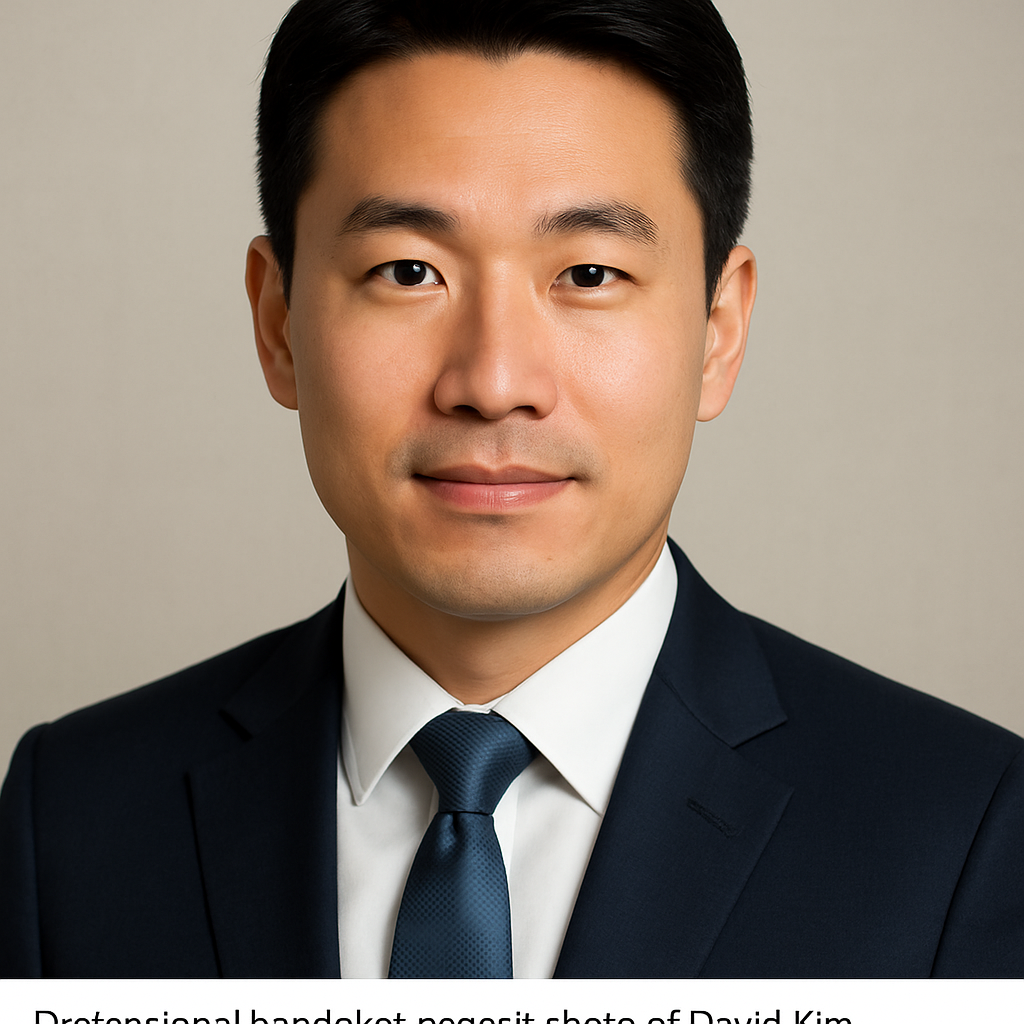
Forex Market Research Analyst
David Kim brings 15 years of institutional forex analysis experience to retail and prop trading evaluation. His data-driven approach to broker comparison and market structure analysis provides traders with the quantitative insights needed for informed platform and strategy decisions.
10 min read

