
Last updated
Industry estimates suggest that 73% of funded traders fail within their first evaluation — but those who succeed all picked the right firm from the start. That's not a coincidence.
The prop trading industry exploded in 2026, creating both incredible opportunities and dangerous pitfalls. New firms launch weekly, each promising better conditions and higher payouts. But behind the marketing claims, most traders discover harsh realities: hidden fees, impossible rules, and delayed withdrawals.
I've tracked over 50 prop trading firms this year. I've watched promising traders lose thousands to scam operations. I've also seen skilled traders turn $100 challenges into six-figure funded accounts with the right firms.
The difference comes down to one thing — picking a legitimate operation with fair rules and proven payouts.
Signup to the Number 1 broker in 2026
The best prop trading firms in 2026 combine fair evaluation rules, reliable payouts, and reasonable profit splits. These five firms stand out from the crowded field based on trader success rates and company stability.

FTMO remains the most respected name in prop trading for good reason. Industry reports suggest they've paid out over $100 million to traders since 2019, setting the industry standard for reliability.
Their two-step evaluation process is tough but fair. The 5% daily loss limit and 10% maximum loss rule protect both traders and the firm. Most importantly, they typically pay winners within 1-2 business days.
FTMO offers account sizes from $10,000 to $200,000. The 80/20 profit split increases to 90/10 after your first payout. Their trading platform options include MetaTrader 4, MetaTrader 5, and cTrader.
FundedNext burst onto the scene as a serious FTMO competitor. They offer more flexible rules and faster evaluation periods that appeal to active traders.
Their shows why they've gained traction so quickly. The one-step evaluation option cuts the traditional process in half.
Key advantages include weekend holding allowed, news trading permitted, and account sizes up to $200,000. The profit split starts at 80/20 and can reach 90/10 based on performance.
The5%ers takes a different approach with their scaling program. Instead of one large evaluation, traders start small and grow their accounts through consistent profits.
You begin with a $6,000 account and can scale up to $4 million based on your trading results. This appeals to traders who prefer gradual growth over high-pressure evaluations.
The firm allows all trading strategies and provides excellent educational resources. Their scaling model rewards consistency over quick wins.
TopstepTrader focuses exclusively on futures trading, making them the top choice for commodity and index traders. They've funded over 2,000 traders since launching their program.
Their Combine evaluation tests your ability to hit profit targets while managing risk. Account sizes range from $50,000 to $150,000 in trading power.
The 80/20 profit split and daily coaching sessions help traders succeed. They also offer a unique "reset" feature if you breach risk rules early in the evaluation.
Apex Trader Funding appeals to traders who want maximum flexibility. They allow news trading, weekend positions, and short-term scalping strategies that other firms restrict.
Their evaluation process includes both one-step and two-step options. Account sizes range from $25,000 to $300,000, giving traders room to scale up.
The 90/10 profit split from the start beats most competitors. They also offer a "swing trader" evaluation with longer time limits for position traders.
Selecting the right prop trading firm requires evaluating several key factors beyond marketing promises. The wrong choice costs you time, money, and trading momentum.
| Evaluation Factor | What to Look For | Red Flags |
|---|---|---|
| Payment Track Record | Verified payouts, Trustpilot reviews, social proof | New firm with no payment history |
| Risk Rules | Clear daily and total loss limits | Confusing or constantly changing rules |
| Profit Split | 80/20 or better, scaling opportunities | Splits below 70/30 or hidden fees |
| Platform Access | MT4/MT5, cTrader, or professional platforms | Proprietary platforms only |
| Account Sizes | Multiple options from $10K to $200K+ | Only small accounts or unrealistic sizes |
Every prop firm sets specific rules for their evaluation process. Understanding these rules before you start prevents costly mistakes.
Daily loss limits typically range from 3% to 5% of account balance. Maximum drawdown rules usually sit between 8% and 12%. Some firms use balance-based calculations, others use equity-based tracking.
Profit targets vary but most require 8-10% gains in the first phase and 5% in the second phase. Time limits range from 30 days to unlimited, depending on the firm's approach.
Platform quality can make or break your trading experience. The best prop firms offer professional-grade platforms with fast execution and reliable data feeds.
MetaTrader 4 and 5 remain the most popular choices due to their wide broker support and expert advisor compatibility. cTrader appeals to scalpers who need advanced order types and level 2 data.
Some firms provide direct market access through platforms like NinjaTrader or TradingView. These platforms offer better execution speeds but require more technical knowledge.
The rapid growth of prop trading created opportunities for scammers and poorly managed operations. These warning signs help you avoid firms that will waste your time and money.
Legitimate prop firms pay winning traders quickly and consistently. Delays beyond 1-2 business days signal serious problems.
Watch for firms that constantly change payment processors or ask for additional verification documents after you request a withdrawal. These tactics often hide cash flow problems.
Check recent Trustpilot reviews and social media posts. If multiple traders complain about payment delays in the past 30 days, stay away.
Be skeptical of firms promising "guaranteed" funding or "90% success rates." Real prop trading involves significant skill and risk management.
Avoid firms that use aggressive sales tactics or pressure you to start immediately. Legitimate firms want traders to succeed long-term, not just collect evaluation fees.
Marketing that focuses on luxury lifestyles rather than trading education suggests the firm profits from failed evaluations rather than successful traders.
Stable prop firms maintain consistent rules and policies. Frequent changes suggest poor management or attempts to increase failure rates.
Document the rules when you start your evaluation. If the firm changes key requirements during your challenge, request a refund or restart under original terms.
Some firms deliberately create confusing rule structures to increase evaluation failures. Clear, straightforward rules indicate a firm that wants traders to succeed.
Passing a prop trading evaluation requires a different mindset than personal trading. The goal shifts from maximum profits to consistent risk management with steady gains.
Successful evaluation candidates prioritize not losing over making money. This conservative approach contradicts most traders' natural instincts but proves essential for funding.
Never risk more than 1% of account balance per trade during evaluations. This means position sizes of $100-200 on a $10,000 account. It feels small but protects you from account-ending losses.
Set daily stop losses at 50% of the maximum allowed. If your firm allows 5% daily losses, stop trading after losing 2.5%. This buffer prevents emotional revenge trading.
Prop firms prefer traders who make steady 0.5-1% daily gains over those who hit 5% one day and lose 4% the next. Consistency indicates sustainable trading skills.
Plan to hit profit targets over 75-80% of the allowed time period. Rushing leads to overtrading and unnecessary risks. Patient traders have higher success rates.
Document your trading process and stick to it throughout the evaluation. Changing strategies mid-challenge often leads to confusion and losses.
The traders who get funded don't have the best strategies. They have the best discipline. Risk management separates the winners from the washouts.
Evaluation pressure creates unique psychological challenges that derail many skilled traders. Recognizing and managing these mental obstacles improves your chances significantly.
The pressure to perform often leads to overtrading and revenge trading after losses. Set specific trading hours and walk away when your session ends, regardless of results.
Many traders blow accounts in the final days when they're close to profit targets. Desperation trading destroys more evaluations than lack of skill.
Understanding the true cost of prop trading evaluations helps you budget appropriately and choose the most cost-effective path to funding.
Most prop firms charge between $150-600 for evaluation challenges, depending on account size. These fees are typically refunded with your first payout if you get funded.
However, many traders attempt multiple evaluations before succeeding. Budget for 2-3 attempts when calculating your total investment.
Some firms offer discounts for multiple purchases or reset options that cost less than full retries. Factor these options into your cost analysis.
Beyond evaluation fees, prop firms may charge monthly platform fees, inactivity fees, or withdrawal processing fees. Read the full fee schedule before committing.
Some firms charge for data feeds, advanced platforms, or educational resources. These costs add up quickly over multiple evaluation attempts.
Account maintenance fees during the evaluation period can eat into your trading capital. Clarify all costs upfront to avoid surprises.
Traditional prop firms aren't the only option for accessing larger trading capital. Several alternative models offer different approaches to funded trading.
Some firms offer immediate access to live accounts without evaluations. You pay a monthly fee and receive a funded account with specific risk parameters.
These programs appeal to experienced traders who want to skip evaluation periods. However, profit splits are typically lower and monthly costs can exceed $500.
The instant access comes with stricter risk controls and lower profit targets. Compare the monthly costs against potential profits before committing.
Several platforms let you copy successful prop traders and earn a percentage of their profits. This passive approach requires no trading skill but offers limited earning potential.
Copy trading works best as a learning tool rather than a primary income source. Use it to study successful strategies while developing your own skills.
Based on typical industry practices, profit percentages range from 10-30% of copied trader earnings. The passive nature appeals to busy professionals who can't trade actively.
Real trader experiences provide valuable insights into what actually works in prop trading evaluations and funded accounts.
Marcus Thompson struggled as a retail trader for three years, burning through $15,000 of personal capital. He decided to try prop trading with FTMO as his last attempt before quitting.
His first evaluation failed when he revenge-traded after hitting daily loss limits. The second attempt succeeded using a simple 1% risk per trade approach and patience.
Six months after getting funded, Marcus has withdrawn over $40,000 in profits and scaled up to a $200,000 account. His retail trading losses became expensive education for prop trading success.
Sarah Chen automated her trading strategy and used it to pass multiple prop firm evaluations simultaneously. Her algorithm focuses on forex pairs during London and New York session overlaps.
She chose FundedNext and TopstepTrader because they allow algorithmic trading without restrictions. Her systematic approach eliminated emotional decision-making during evaluations.
The helped her understand the differences between firm requirements for her algorithm parameters.
The prop trading industry continues evolving rapidly, with new regulations and market conditions shaping firm operations and trader opportunities.
Several countries introduced new regulations for prop trading firms in 2026. The UK's FCA implemented stricter capital requirements, forcing smaller firms to merge or close.
European regulations now require prop firms to segregate client funds and maintain minimum capital reserves. These changes improve trader protection but may reduce the number of available firms.
US regulations remain relatively friendly to prop trading, making American firms attractive alternatives for international traders facing local restrictions.
Prop firms increasingly offer advanced platforms with artificial intelligence features and improved execution speeds. These tools help traders succeed but require adaptation to new interfaces.
Cloud-based trading platforms allow access from anywhere with internet connectivity. This flexibility appeals to digital nomads and international traders.
Some firms experiment with blockchain-based profit sharing and instant settlements. These innovations could revolutionize how prop firms operate and pay traders.
Beginning your prop trading journey requires careful preparation and realistic expectations about the challenges ahead.
Before attempting any evaluation, prove your profitability with demo accounts or small live accounts. Prop firms fund skilled traders, not hopeful beginners.
Practice your strategy on demo accounts with the same position sizes and rules you'll use in evaluations. Many traders fail because they can't handle evaluation pressure.
The provides a framework for assessing your readiness and choosing appropriate firms.
Develop a specific trading plan that addresses risk management, position sizing, and daily routines before starting any evaluation.
Your plan should include maximum daily risk levels, preferred trading sessions, and criteria for stopping trading early. Stick to this plan regardless of daily results.
Document your trades and review performance weekly. This data helps you identify problems and improve your approach for future evaluations.
Many successful prop traders run multiple evaluations simultaneously to increase their chances of funding and diversify their income sources.
Start with one evaluation to test your strategy and emotional control. Add additional challenges only after proving your ability to manage risk consistently.
Different firms have varying rules and requirements. Maintain separate trading plans for each evaluation to avoid confusion and rule violations.
FTMO offers the most structured approach with clear rules and extensive educational resources. Their two-step evaluation process teaches proper risk management. Start with their $10,000 challenge to learn the evaluation process without risking large fees.
Evaluation fees range from $150-600 depending on account size. Budget for 2-3 attempts and additional costs like platform fees. Most traders invest $500-1,500 total before getting funded. Remember that evaluation fees are typically refunded with your first payout.
Yes, successful traders earn substantial profits through prop firms. Based on typical industry performance, top performers make $5,000-50,000+ monthly from funded accounts. However, most traders fail evaluations due to poor risk management. Success requires proven trading skills and discipline, not just hope.
Most evaluations allow 30-60 days to hit profit targets. Skilled traders often complete them in 2-4 weeks using conservative position sizes. Rushing leads to mistakes. Plan to use 75-80% of the allowed time period for consistent results.
You lose access to the funded account but can typically restart the evaluation process by paying the challenge fee again. Some firms offer account insurance or reset options for smaller fees. The key is learning from mistakes to avoid repeating them.
Regulation varies by location and firm. Many operate as unregulated entities, while others hold financial licenses. European firms face stricter oversight after 2026 regulatory changes. Always verify a firm's regulatory status and fund segregation policies before trading.
Signup to the Number 1 broker in 2026
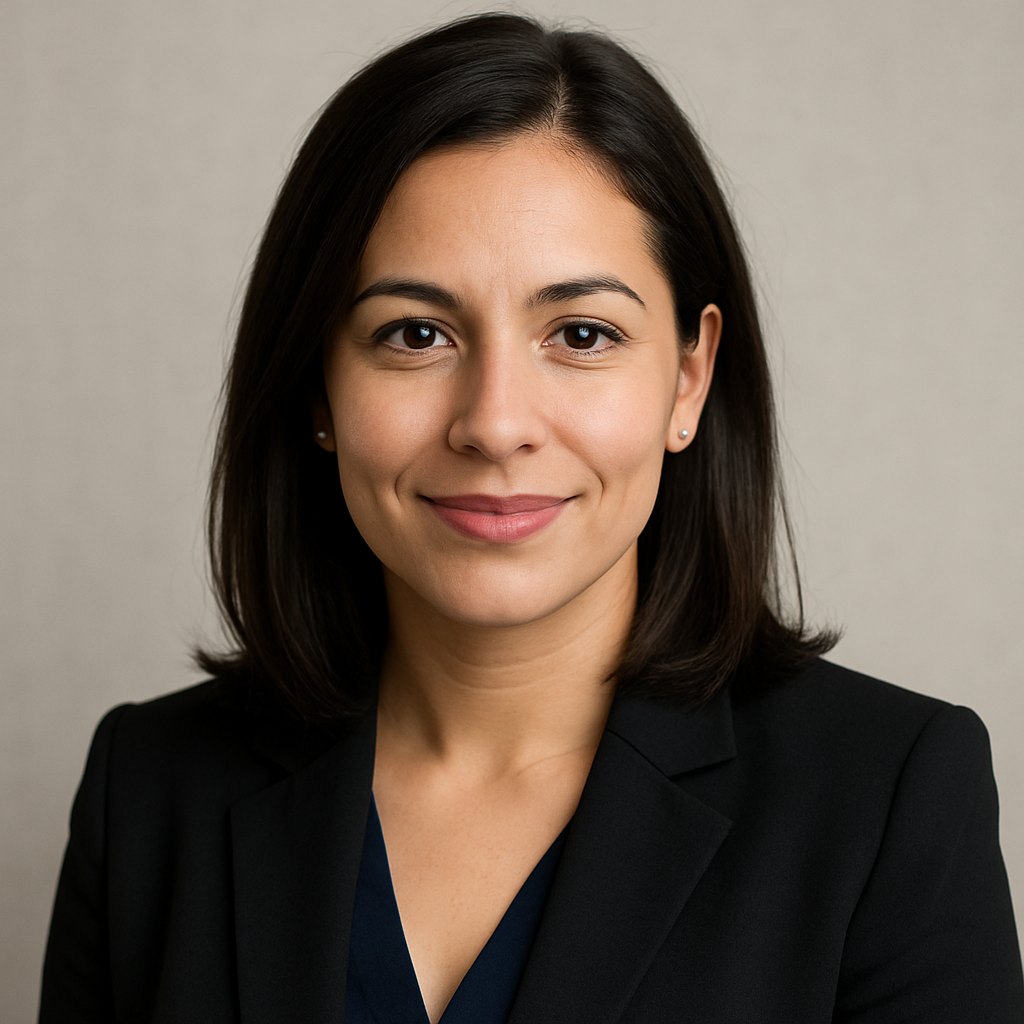
Trading Success Journalist
Sarah Rodriguez chronicles the real experiences of professional traders, from prop firm challenges to scaling successful algorithms. Her compelling narratives reveal the human side of high-stakes trading while maintaining focus on actionable insights and measurable outcomes.
