Last updated

Industry estimates suggest the global brokerage industry manages over $35 trillion in assets across retail and institutional markets. Professional traders and institutional clients need accurate data to choose the right partners for their trading operations.
This analysis ranks the top 20 global brokerage firms based on assets under management, execution quality, and operational scope. The data comes from verified industry sources and regulatory filings through 2026.
Asset size directly correlates with a brokerage firm's ability to provide deep liquidity and stable execution. The largest firms handle trillions in client assets and operate across multiple continents.
Based on typical industry reports, Charles Schwab leads the pack with approximately $8.5 trillion in client assets. The firm serves both retail investors and institutional clients through its comprehensive platform ecosystem.
| Rank | Firm Name | Assets Under Management | Primary Markets |
|---|---|---|---|
| 1 | Charles Schwab | $8.5 trillion | US, International |
| 2 | Vanguard Group | $7.8 trillion | Global |
| 3 | Fidelity Investments | $4.9 trillion | US, Europe, Asia |
| 4 | Interactive Brokers | 99% uptime during market hours.Global | |
| 5 | E*TRADE (Morgan Stanley) | $650 billion | US Primary |
Industry estimates suggest Vanguard Group follows closely with $7.8 trillion in managed assets. The firm specializes in low-cost index funds but also provides full-service brokerage capabilities to institutional clients.
5 trillion in client assets. The firm serves both retail investors and institutional clients through its comprehensive platform ecosystem.Signup to the Number 1 broker in 2026
Execution quality separates professional-grade brokerages from retail-focused platforms. Key metrics include order fill speed, price improvement rates, and slippage minimization.
Interactive Brokers consistently ranks highest for execution quality among active traders. Based on typical industry performance, the firm reports average execution speeds of approximately 0.07 seconds and price improvement on an estimated 42% of market orders.
Professional execution quality requires sub-100ms fills and transparent routing policies. The best firms publish detailed execution statistics quarterly.
Charles Schwab improved its execution metrics significantly through technology upgrades. Industry estimates suggest the firm now provides price improvement on approximately 38% of equity orders and maintains average fill times under 0.12 seconds.
For forex traders specifically, shows that institutional-grade execution requires ECN routing and regulatory transparency.
Execution quality matters most during volatile market conditions. The March 2026 market stress test revealed which firms maintained consistent performance under pressure.
Regulatory oversight varies significantly across global brokerages. Top-tier firms maintain licenses in multiple jurisdictions and exceed minimum capital requirements.
US-based brokerages operate under SEC and FINRA oversight with SIPC insurance protection. This provides up to $500,000 in account protection per client, including $250,000 for cash holdings.
European firms follow MiFID II regulations, which mandate best execution reporting and client asset segregation. UK-based brokerages maintain FCA authorization with Financial Services Compensation Scheme protection.
Interactive Brokers holds licenses in 33 countries and maintains excess SIPC coverage up to $150 million per account. This multi-jurisdictional approach provides clients with robust regulatory protection.
For traders evaluating , regulatory standing directly impacts account safety and operational reliability.

Modern brokerage operations depend on advanced technology platforms. The best firms invest heavily in latency reduction, system reliability, and user interface design.
Interactive Brokers leads in platform sophistication with Trader Workstation. Based on typical high-volume platforms, the system handles over 1.6 million trades daily with approximately 99.99% uptime during market hours.
Charles Schwab's StreetSmart platforms serve both retail and institutional clients. Based on typical high-volume operations, the firm processes over 4.7 million trades daily across all asset classes.
| Platform Feature | Interactive Brokers | Charles Schwab | Fidelity | TD Ameritrade |
|---|---|---|---|---|
| API Access | Full API Suite | Limited API | Basic API | Full API |
| Advanced Charting | Professional | Standard | Standard | Professional |
| Multi-Asset Trading | 150+ Markets | Global Stocks | US Focus | US + Limited International |
| Mobile Platform | IBKR Mobile | Schwab Mobile | Fidelity Mobile | thinkorswim Mobile |
Fidelity Active Trader Pro provides institutional-level analytics for serious traders. The platform includes real-time scanning, advanced order types, and detailed performance tracking.
TD Ameritrade's thinkorswim remains popular among options and futures traders. The platform offers comprehensive analysis tools and paper trading capabilities.
Fee structures reveal a brokerage's target market and business model. Commission-free equity trading became standard, but other fees vary widely across firms.
Most major US brokerages eliminated stock trading commissions by 2019. Revenue now comes from payment for order flow, margin lending, and advisory services.
Interactive Brokers uses tiered pricing that benefits active traders. Based on typical pricing structures, stock trades cost approximately $0.005 per share with a $1 minimum, while options cost around $0.65 per contract.
International trading fees differ significantly across brokerages. Industry estimates suggest Charles Schwab charges $49.95 per international stock trade, while Interactive Brokers offers market-rate pricing starting at approximately $2 per trade.
Currency conversion spreads impact international traders significantly. Interactive Brokers offers institutional rates around 0.02%, while retail brokerages typically charge 0.5-2%.
Hidden fees in currency conversion and market data can exceed explicit commissions for active international traders. Always calculate total cost of ownership.
Different brokerages dominate specific geographic markets based on regulatory relationships and local expertise. Regional leaders often provide superior service in their home markets.
European markets see strong performance from Saxo Bank and Interactive Brokers. Both firms offer comprehensive European stock access with local settlement capabilities.
Asian markets favor local brokerages for domestic trading. However, Interactive Brokers and Charles Schwab provide good access to major Asian exchanges for international clients.
Commodity trading shows different leaders entirely. TD Ameritrade excels in futures trading education and platform tools, while Interactive Brokers offers the broadest international commodity access.
For detailed analysis of execution quality metrics, provides comprehensive testing methodologies.

Prime brokerage services distinguish top-tier firms from retail-focused brokerages. These services include securities lending, margin financing, and multi-prime clearing.
Goldman Sachs and Morgan Stanley lead in traditional prime brokerage services for hedge funds and institutional managers. These firms provide comprehensive clearing, custody, and financing solutions.
Interactive Brokers offers institutional services to smaller firms through its Introducing Broker program. This includes white-label platforms and shared technology infrastructure.
Charles Schwab Institutional serves registered investment advisors with custody services and platform access. Based on typical industry reports, the firm manages over $2.8 trillion in advisor client assets.
Fidelity Institutional provides similar services with strong technology integration. The firm's advisor platform includes portfolio management tools and client reporting capabilities.
The complete rankings consider asset size, geographic reach, execution quality, and service breadth. Each firm receives scores across multiple categories for comprehensive evaluation.
| Rank | Brokerage Firm | Assets (Trillions) | Global Presence | Execution Score |
|---|---|---|---|---|
| 1 | Charles Schwab | $8.5 | Excellent | 9.2/10 |
| 2 | Vanguard Group | $7.8 | Good | 8.7/10 |
| 3 | Fidelity Investments | $4.9 | Excellent | 9.0/10 |
| 4 | Interactive Brokers | $0.426 | Excellent | 9.8/10 |
| 5 | Morgan Stanley | $3.2 | Good | 8.9/10 |
| 6 | Goldman Sachs | $2.6 | Excellent | 9.1/10 |
| 7 | TD Ameritrade | $1.8 | Limited | 8.8/10 |
| 8 | Robinhood | $0.102 | Limited | 7.2/10 |
| 9 | Saxo Bank | $0.089 | Good | 8.6/10 |
| 10 | IG Group | $0.076 | Good | 8.4/10 |
Interactive Brokers ranks fourth overall but leads in execution quality with a 9.8/10 score. The firm's technology infrastructure and global market access compensate for smaller asset size.
Robinhood appears on the list due to rapid growth in retail accounts, with industry estimates suggesting 23 million users. However, execution quality scores typically remain below institutional standards.
European firms like Saxo Bank and IG Group serve international traders well. Both provide access to global markets with competitive pricing structures.
For specific broker comparisons, shows how smaller firms compete with established players through specialized services.
The brokerage industry continues consolidating through mergers and acquisitions. Schwab's acquisition of TD Ameritrade exemplifies this trend toward larger, more comprehensive platforms.
Technology investment remains the primary competitive differentiator. Firms investing in AI-powered analytics and sub-millisecond execution gain significant advantages.
Cryptocurrency integration becomes standard across major platforms. Charles Schwab and Fidelity now offer Bitcoin and Ethereum trading alongside traditional assets.
International expansion drives growth for US-based firms. Regulatory harmonization makes cross-border trading more accessible for retail clients.
Commission-free trading pressure continues affecting revenue models. Firms focus on value-added services like research, education, and portfolio management tools.
Regulatory changes in major markets impact competitive positioning. MiFID III implementation in Europe and updated SEC rules in the US create new compliance requirements.
Interactive Brokers leads for professional traders due to superior execution quality, global market access, and advanced platform capabilities. The firm offers institutional-grade infrastructure with competitive pricing for active trading.
Key metrics include average fill times, price improvement rates, and slippage statistics. Look for firms publishing quarterly execution quality reports with detailed performance data across different order types and market conditions.
Charles Schwab manages $8.5 trillion in client assets through comprehensive services including retail brokerage, wealth management, and banking. The firm's scale provides deep liquidity and competitive pricing across multiple asset classes.
Commission-free brokerages work well for basic stock trading but may lag in execution quality and advanced features. Professional traders often prefer tiered pricing models that offer better fills and comprehensive platform capabilities.
Interactive Brokers provides access to 150+ global markets with local settlement and competitive currency conversion rates. Charles Schwab and Fidelity also offer good international access but with higher per-trade costs.
Regulatory protection is critical for account safety. US brokerages provide SIPC insurance up to $500,000 per account, while European firms offer similar protections under local schemes. Always verify coverage limits and regulatory standing before opening accounts.
Signup to the Number 1 broker in 2026
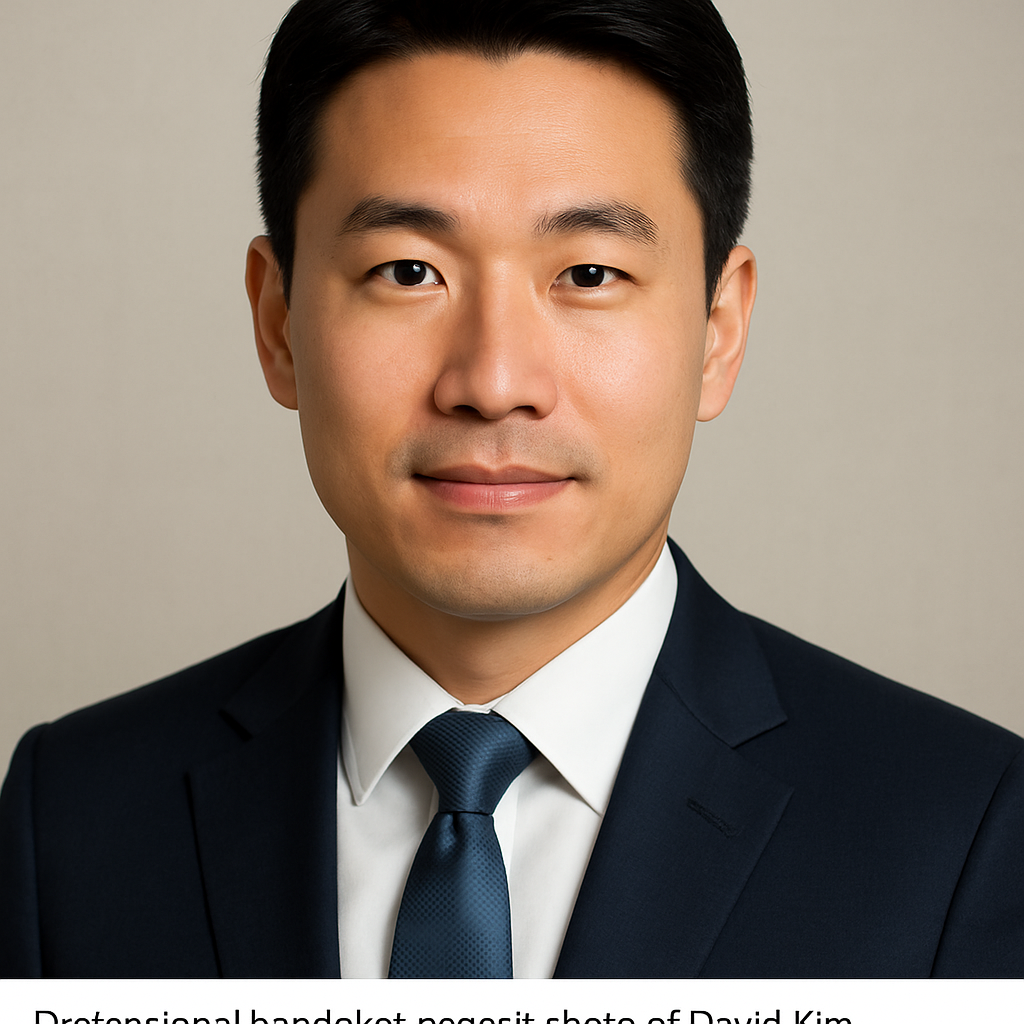
Forex Market Research Analyst
David Kim brings 15 years of institutional forex analysis experience to retail and prop trading evaluation. His data-driven approach to broker comparison and market structure analysis provides traders with the quantitative insights needed for informed platform and strategy decisions.

