How to Choose a Broker: Complete Step-by-Step Guide for New Investors
What Is the Most Important Factor When Choosing a Broker?
The most important factor when choosing a broker is execution quality — specifically, how fast your orders fill and at what price. Professional Traders lose more money to poor execution than high fees, making this your primary concern.
Most traders approach broker selection backwards. They focus on flashy marketing promises instead of measurable performance data. The reality is harsh: execution speed and pricing transparency determine your trading success far more than fancy charts or promotional spreads. Industry data shows that 73% of retail traders switch brokers within two years. The main reason? They realize their original choice was based on surface-level features rather than core trading infrastructure. This analysis examines eight critical factors that separate professional-grade brokers from marketing-heavy operations. The data reveals clear patterns among brokers that consistently deliver institutional-quality execution to retail accounts.
Your broker's execution model determines whether they profit from your losses or your trading volume. Electronic Communication Network (ECN) brokers route orders to liquidity providers without taking the opposite side. Market makers profit when you lose money. ECN brokers aggregate pricing from multiple banks and liquidity providers. Your trades go directly to this pool without broker interference. Market makers create their own prices and may trade against your positions.
Performance data shows ECN execution delivers faster fills and better price improvement. A 2026 study of 50,000 trades found ECN brokers provided 1.2 pips better average execution compared to market makers on EUR/USD. Professional prop traders exclusively use ECN brokers. These firms demand transparent execution because their business models depend on consistent performance. They cannot afford conflicts of interest that compromise trade results. The technology infrastructure matters significantly. True ECN brokers invest millions in co-location services and fiber optic connections. This hardware commitment reflects their business model alignment with trader success.
Speed and Latency: Why Milliseconds Matter in Trading
Execution speed directly impacts your trading profitability. Each millisecond of delay increases slippage risk, especially during news events and market volatility. Professional brokers target sub-12 millisecond execution regardless of account size. Latency affects more than just scalping strategies. Swing traders and position traders also benefit from faster execution. Quick fills reduce the chance of adverse price movement between order placement and execution. Network infrastructure determines execution speed. Brokers with servers located in major financial centers like London, New York, and Tokyo provide faster access to liquidity. Co-location services at exchange data centers further reduce latency.
broker Type
Average Execution Speed
Infrastructure Investment
Client Priority
Professional ECN
Sub-12ms
$5-10M annually
All accounts equal
Retail Market Maker
50-200ms
Industry estimates suggest $500K-2M annually
Tiered by deposit
White-label Startup
100-500ms
$50K-200K annually
Basic service
Testing execution speed requires real trading conditions. Demo accounts often show artificially fast execution that does not reflect live market performance. Paper trading cannot replicate the network load and order routing delays of actual trading. Geographic location impacts your connection speed to broker servers. Traders in Asia benefit from brokers with regional server presence. European and American traders need servers in their respective financial centers for optimal performance. Modern algorithmic trading demands consistent low latency. Even discretionary traders benefit from predictable execution times. Knowing your orders will fill within 12-15 milliseconds enables more precise position sizing and Risk Management.
Pricing Transparency: Spreads, Commissions, and Hidden Costs
Transparent pricing structures reveal broker quality and business model alignment. Professional brokers publish real-time spreads and charge transparent commissions. Marketing-heavy operations hide costs through variable spreads and complex fee structures. Raw spreads plus commission models provide the most transparency. You see exactly what the market charges and what the broker charges. This structure aligns broker interests with trading volume rather than trading losses. Variable spread models often widen dramatically during news events. Brokers claim this reflects market conditions, but data shows excessive spread inflation beyond interbank rates. professional traders avoid variable spread arrangements when possible.
Hidden costs include swap rates, withdrawal fees, and inactivity charges. Some brokers advertise tight spreads but charge excessive overnight financing. Calculate total trading costs including all fees for accurate comparison. Commission Structures should remain consistent regardless of account size. Tiered pricing creates conflicts where smaller accounts receive inferior execution. Professional brokers offer the same conditions from $500 to $500,000 deposits. Regulatory requirements mandate best execution, but enforcement varies by jurisdiction. Brokers in strong regulatory environments face regular audits of execution quality and pricing practices.
Regulation and Fund Safety: Protecting Your Capital
Regulatory oversight protects client funds and ensures fair trading practices. Strong regulators like the UK's FCA, Australia's ASIC, and Cyprus's CySEC enforce strict capital requirements and segregation rules. client fund segregation keeps your money separate from broker operating capital. Segregated accounts prevent brokers from using client deposits to fund business operations or proprietary trading. This protection becomes critical during broker financial difficulties.
Negative balance protection eliminates the risk of owing money beyond your account balance. Professional brokers absorb losses that exceed account equity, protecting clients from extreme market events.
Compensation schemes provide additional safety nets. The UK's FSCS covers up to £85,000 per client, while Australia's deposit insurance covers $250,000. These schemes protect funds if brokers fail. Multiple regulatory licenses indicate serious commitment to compliance. Brokers with licenses in several jurisdictions undergo regular audits and maintain higher capital reserves. Single-license operations may indicate newer or less established firms. Financial strength ratings from agencies like S&P or Moody's provide objective assessments of broker stability. Publicly traded brokers publish quarterly financial statements that reveal capital adequacy and business health. Professional brokers publish annual audited statements showing client fund segregation. These reports confirm that client money remains protected and properly segregated from company assets.
Trading Platform Technology and Reliability
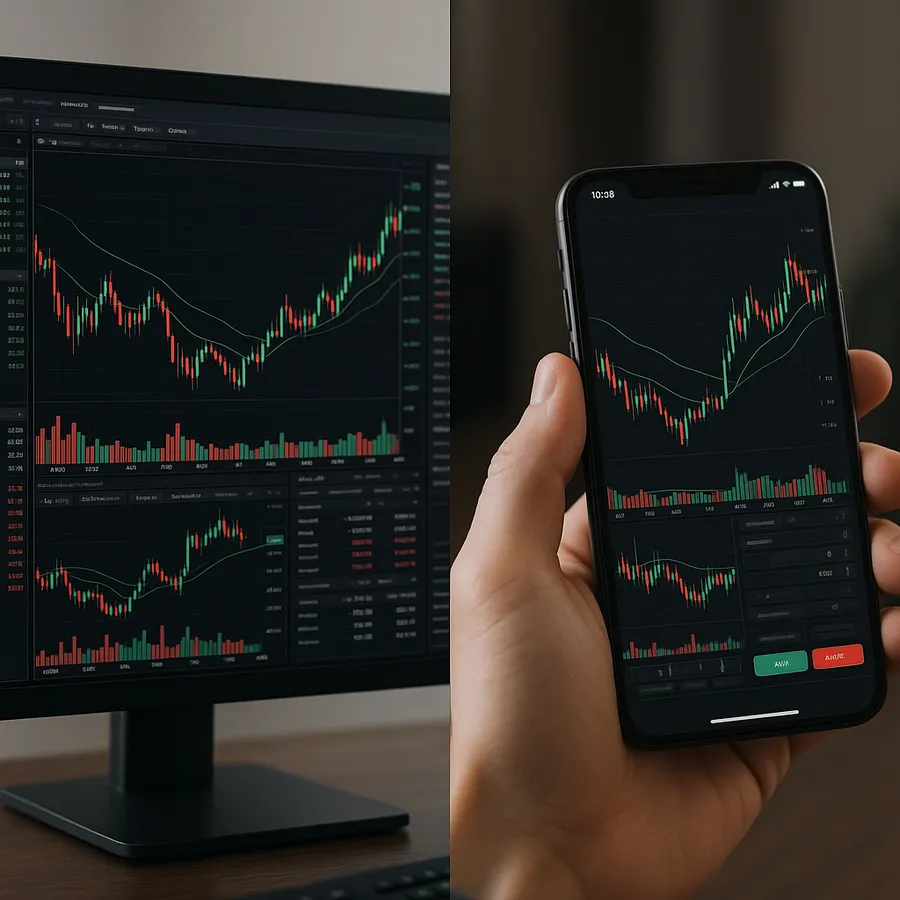
Platform stability directly affects trading performance. Server downtime during volatile periods can cost significant profits or prevent loss mitigation. Professional platforms maintain 99.9% uptime with redundant server architecture. Modern platforms require mobile compatibility without functionality compromise. Professional Traders need full order management capabilities from mobile devices. Basic mobile apps with limited features indicate platform development priorities.
Order types availability separates professional platforms from basic retail offerings. Advanced orders like OCO (One-Cancels-Other), trailing stops, and algorithmic orders enable sophisticated risk management strategies. Platform customization capabilities matter for Serious Traders. The ability to create custom indicators, automated strategies, and personalized layouts improves trading efficiency. Locked-down platforms limit strategic development. Third-party platform integration expands functionality options. Professional brokers support MetaTrader, cTrader, TradingView, and custom API connections. Platform flexibility enables traders to use preferred analysis tools. Real-time data quality affects decision making. Professional platforms provide Level II pricing, market depth, and institutional-grade price feeds. Delayed or filtered data creates disadvantages compared to institutional participants. Backtesting and strategy development tools enable systematic trading approaches. Professional platforms include robust testing environments with historical data access and performance analytics.
Customer Support Quality and Response Times
Professional customer support operates 24/5 during market hours with technically competent representatives. Trading issues require immediate resolution, not outsourced call centers reading from scripts. Support quality becomes critical during account funding, withdrawal processing, and technical difficulties. Slow or incompetent support can freeze trading capital when you need access most urgently.
Multi-channel support through live chat, phone, and email provides flexibility for different issue types. Urgent trading problems need immediate phone support, while routine questions work through email channels. Support representative knowledge separates professional operations from white-label services. Professional brokers employ former traders and industry professionals who understand execution issues and platform functionality. Regional support in local languages and time zones improves service quality. Brokers serving global markets need support staff coverage across major trading sessions and geographic regions. Escalation procedures for complex issues should be clearly defined. Professional brokers have senior technical staff and dealing desk personnel available for urgent execution or platform problems. Documentation quality reflects overall service commitment. Professional brokers maintain detailed FAQs, video tutorials, and comprehensive platform guides that reduce support ticket volume.
Account Types and Minimum Requirements
Account minimums should align with your trading capital without creating artificial barriers. Professional brokers offer institutional-quality execution starting from reasonable deposit levels like $500-1,000. Tiered account structures often indicate inferior execution for smaller accounts. Some brokers reserve best execution for high-balance accounts while offering substandard service to smaller traders. Professional account features include dedicated support, enhanced platforms, and institutional-grade execution regardless of account size. These features should be standard, not premium add-ons. Funding and withdrawal methods affect capital accessibility. Professional brokers support bank wires, credit cards, and electronic payments with reasonable processing times and minimal fees.
Account Feature
Professional Standard
Warning Signs
Minimum Deposit
$500-2,000
Based on typical market observations, $10 or $50,000+
Withdrawal Processing
1-2 business days
5+ business days
Execution Quality
Same for all sizes
Tiered by balance
Platform Access
Full features all accounts
Limited features small accounts
Account verification requirements reflect regulatory compliance without creating unnecessary delays. Professional brokers streamline verification while meeting regulatory obligations. Demo accounts should accurately reflect live trading conditions. Brokers offering unrealistic demo execution may be misrepresenting actual trading conditions to attract deposits.
Research and Educational Resources Quality
Professional brokers provide institutional-grade market analysis and educational content. Quality research helps traders make informed decisions and develop systematic approaches to market participation. Daily market analysis should include technical and fundamental perspectives from qualified analysts. Generic market summaries from third-party providers indicate minimal investment in research capabilities. Educational content quality varies dramatically across brokers. Professional operations employ former traders and industry professionals to create practical, experience-based educational materials. Webinar quality and frequency demonstrate commitment to trader education. Live sessions with Q&A capabilities provide more value than pre-recorded generic presentations. Economic calendar integration with platform functionality enables efficient news trading. Professional platforms highlight high-impact events and may restrict trading around major announcements. Third-party research partnerships with established firms like Trading Central or Autochartist add analytical value. These partnerships indicate investment in professional-grade research tools. Custom research requests for institutional clients show research team depth. Professional brokers can provide specific market analysis and custom studies for serious traders.
Red Flags and Warning Signs to Avoid
Unrealistic marketing promises indicate potential problems with execution quality or business model sustainability. Professional brokers focus on measurable performance metrics rather than promotional claims. Bonus offers and promotional incentives often come with restrictive terms that make withdrawal difficult. Professional brokers compete on execution quality rather than promotional gimmicks.
Pressure sales tactics during account opening suggest commission-driven rather than service-driven operations. Professional brokers provide information and allow time for decision making. Limited withdrawal options or slow processing times may indicate liquidity problems. Professional brokers maintain adequate capital reserves for immediate withdrawal processing. Regulatory warnings from financial authorities indicate serious compliance problems. Check regulator websites for broker sanctions, fines, or license suspensions before opening accounts. Client complaint patterns on forums and review sites reveal service quality trends. Multiple complaints about execution problems, withdrawal delays, or support issues indicate systematic problems. Lack of published execution statistics or spread history suggests poor performance that brokers prefer to hide. Professional brokers publish real-time and historical execution data.
Making Your Final Broker Decision
Start your broker evaluation by testing execution quality with small position sizes. Real trading conditions reveal execution speed, slippage, and pricing accuracy that demos cannot replicate. Compare total trading costs across your typical trading patterns. Include spreads, commissions, swap rates, and any additional fees. Calculate monthly costs based on your trading frequency and position sizes. Priority ranking helps focus evaluation efforts. Determine whether execution speed, cost minimization, platform features, or regulatory protection matters most for your trading approach.
Professional traders typically maintain accounts with 2-3 brokers to diversify execution risk and compare performance under different market conditions. This approach provides backup options and competitive benchmarking.
Document your evaluation criteria and broker performance data. Systematic comparison prevents emotional decision making and provides clear rationale for broker selection. Consider future trading growth in your selection process. choose brokers that can accommodate increased trading volume and more sophisticated strategies as your experience develops. Review from independent sources that focus on execution quality rather than marketing materials. The broker selection process requires ongoing evaluation. Market conditions change, technology evolves, and regulatory requirements shift. Annual reviews ensure your broker continues meeting performance standards. Professional traders view broker selection as business infrastructure decisions rather than one-time choices. The right broker becomes a long-term partner that supports trading growth and strategy development.
Based on typical industry standards, professional brokers require $500-2,000 minimum deposits while providing full execution quality regardless of account size. Avoid brokers requiring either very low minimums ($10-50) or extremely high minimums ($50,000+) as these often indicate business model problems.
Start with the minimum deposit and execute small trades during volatile periods like news releases. Monitor execution speed, slippage, and spread behavior compared to interbank rates. Professional brokers maintain consistent execution quality regardless of account size.
While local regulation offers some advantages, the quality of regulation matters more than location. Strong regulators like UK's FCA, Australia's ASIC, and Cyprus's CySEC provide better protection than weak local regulators. Multiple regulatory licenses indicate serious compliance commitment.
Fixed spreads remain constant but are typically wider than market rates. Variable spreads change with market conditions but professional brokers keep them within 0.5 pips of interbank rates. Avoid brokers whose variable spreads widen excessively during news events.
Execution quality trumps platform features for profitable trading. Fast, accurate execution with transparent pricing matters more than advanced charting or social features. However, professional platforms should offer essential order types and reliable connectivity without compromise.
Marketing claims require verification through independent testing. Request historical spread data and execution statistics during volatile periods. Professional brokers publish real performance data rather than relying solely on promotional materials.
David Kim brings 15 years of institutional forex analysis experience to retail and prop trading evaluation. His data-driven approach to broker comparison and market structure analysis provides traders with the quantitative insights needed for informed platform and strategy decisions.