Last updated
Three names dominate the prop trading world in 2026: FTMO, FundedNext, and Topstep. Each firm promises funded accounts and profit splits, but their rules and costs differ dramatically.
The choice between these prop firms can make or break your trading career. One wrong pick means wasted evaluation fees and months of lost progress.
This analysis breaks down the real differences between FTMO, FundedNext, and Topstep. We'll compare their costs, rules, and payout structures using actual trader data and performance metrics.

FTMO leads with strict rules but fast payouts. FundedNext offers the most flexible terms and lowest costs. Topstep focuses exclusively on futures trading with unique daily loss limits.
The three firms target different trader types. FTMO suits disciplined traders who want quick access to funds. FundedNext appeals to aggressive scalpers and news traders. Topstep works best for futures specialists.
| Feature | FTMO | FundedNext | Topstep |
|---|---|---|---|
| Entry Cost (10K) | $155 | $99 | $165 |
| Profit Split | 80% (90% after) | 80-90% | 80-90% |
| Payout Speed | 14 days | 7 days | 7-14 days |
| Max Drawdown | 10% | 12% | $2,000 daily |
| Trading Style | Conservative | Flexible | Futures only |
Here's what most comparison guides miss: the real cost isn't the entry fee. It's the hidden rules that can kill your account without warning.
Signup to the Number 1 broker in 2026
FundedNext wins the cost battle with $99 evaluations versus FTMO's $155 and Topstep's $165. But the real expense comes from failed attempts.
FTMO charges premium prices but offers reset discounts after failures. You pay $155 initially, then $81 for each retry. That adds up fast if you fail multiple times.
FundedNext keeps costs low across the board. Their $99 fee stays consistent, and they offer frequent discount codes. Based on typical promotional patterns, some traders report getting 30-50% off during promotional periods.
Topstep takes a different approach with their subscription model. You pay $165 upfront, then $99 monthly until you pass. This can get expensive if you struggle with their daily loss limits.
Industry estimates suggest the average trader attempts 3.2 evaluations before passing. At those rates, FundedNext costs $297 total versus FTMO's $317 and Topstep's potentially unlimited monthly fees.
The math gets worse for larger accounts. FTMO's $100K evaluation costs $540, while FundedNext charges just $399. Topstep maxes out at $325 monthly for their largest futures accounts.

This is where the firms separate completely. FTMO enforces the strictest rules, FundedNext allows almost anything, and Topstep uses daily loss limits instead of percentage drawdowns.
FTMO bans news trading, weekend gap trading, and high-frequency scalping. You can't hold trades over major news events. Their maximum daily loss sits at 5% of starting balance.
FundedNext removed most restrictions in 2026. They allow news trading, EA trading, and copy trading. No time limits on trades. No restrictions on trading style or strategy.
Topstep uses a unique daily loss limit system. Instead of percentage drawdowns, you get fixed dollar amounts. A $50K account allows $2,000 daily losses and $4,000 total drawdown.
The daily reset feature sets Topstep apart. Your daily loss limit resets every trading day, giving you fresh risk capital. But exceed the daily limit once and your evaluation ends immediately.
Here's where most traders mess up: they assume all prop firms work the same way. explains why these rule differences matter so much.
All three firms start at 80% profit splits, but their scaling differs dramatically. FTMO increases to 90% after your first payout. FundedNext offers performance-based increases up to 90%. Topstep scales based on consistency metrics.
FTMO keeps it simple: 80% for your first withdrawal, then 90% forever. No complicated tiers or performance requirements. You know exactly what you'll earn from day one.
FundedNext uses a point system for split increases. Consistent profits, low drawdown, and account longevity all boost your percentage. Some traders report reaching 90% splits within six months.
Topstep links profit splits to trading consistency. They track your daily P&L variance and reward steady performers. Erratic traders stay at 80%, while consistent ones reach 90%.
Account scaling works differently too. FTMO doubles your account after 4% profit and two months. FundedNext scales after 10% profit with no time requirement. Topstep uses a ladder system based on consecutive profitable months.

Platform performance can make or break your trading success. FTMO uses MetaTrader 4 and 5 with solid execution speeds. FundedNext offers MT4, MT5, and DXTrade. Topstep runs on their custom platform plus NinjaTrader.
FTMO's execution averages 15-30ms on major pairs. Their servers connect directly to major liquidity providers. Slippage stays minimal during normal market conditions.
FundedNext claims sub-10ms execution through their premium infrastructure. Multiple platform options let you choose your preferred trading environment. Their DXTrade platform offers advanced charting tools.
Topstep's platform specializes in futures execution. Direct market access keeps slippage low. Their risk management tools integrate directly with order entry systems.
But here's what really matters: none of these firms can match institutional-grade brokers for execution quality. If you're serious about scaling beyond prop firm limits, shows what professional execution actually looks like.
Real success rates tell the true story. Industry estimates suggest FTMO has 15-20% evaluation pass rates depending on account size. FundedNext claims 25-30% success rates. Topstep sits around 18-22% for futures evaluations.
The numbers get worse when you factor in long-term success. Industry estimates suggest only 5-8% of traders who pass evaluations remain profitable after 12 months across all firms.
FTMO's strict rules create lower pass rates but higher long-term success. Their conservative approach filters out reckless traders early. Surviving traders tend to last longer.
FundedNext's flexibility boosts initial pass rates but creates more long-term failures. Easy rules attract overconfident traders who blow accounts quickly.
Industry estimates suggest that 73% of prop traders fail within the first 60 days of receiving funding. The main cause? Poor risk management, not trading strategy.
Topstep's daily loss limits create unique failure patterns. Traders either adapt quickly or fail fast. There's less middle ground compared to percentage-based systems.
Account size affects success rates too. Smaller accounts ($10K-25K) see higher pass rates but lower long-term success. Larger accounts ($100K+) have brutal pass rates but better retention.
Support quality varies significantly between firms. FTMO offers email support with 24-48 hour response times. FundedNext provides live chat during business hours. Topstep combines phone and email support.
FTMO's support team handles basic questions well but struggles with complex rule interpretations. Their FAQ section covers most common issues. Response quality depends heavily on which agent you get.
FundedNext improved their support dramatically in 2026. Live chat agents can resolve most issues immediately. They added video tutorials and webinar series for new traders.
Topstep's support shines for futures-related questions. Their team includes actual traders who understand market dynamics. Phone support connects you with knowledgeable representatives.
Educational resources differ too. FTMO offers basic trading psychology content. FundedNext focuses on strategy development. Topstep provides futures-specific education and market analysis.
Your trading style determines the best firm choice. Conservative swing traders should pick FTMO. Aggressive scalpers and news traders fit better with FundedNext. Futures specialists belong at Topstep.
FTMO works best for position traders and patient scalpers. Their rules favor consistent, low-risk approaches. If you trade major news events or use high-frequency strategies, look elsewhere.
FundedNext appeals to flexible traders who want maximum freedom. Algorithm traders love the EA permissions. News traders appreciate the lack of restrictions around economic releases.
Topstep suits futures day traders exclusively. If you trade forex or stocks, they're not an option. But for E-mini S&P, crude oil, or gold traders, their platform excels.
Account size preferences also matter. Small account traders ($10K-25K) get better value from FundedNext. Large account traders ($100K+) might prefer FTMO's proven track record despite higher costs.
Here's the uncomfortable truth: most traders would perform better with a quality retail broker than any prop firm. The evaluation stress and artificial rules create psychological pressure that hurts performance.
All three firms made significant changes in 2026. FTMO tightened their news trading restrictions after major losses during volatile market periods. FundedNext removed most trading limitations and added new platform options.
FTMO now requires 48-hour holds before major news events. This change came after traders lost millions during unexpected central bank announcements. The rule applies to all evaluation and funded accounts.
FundedNext went the opposite direction, removing weekend trading restrictions and time limits. They also added social trading features and copy trading permissions. The changes reflect their push for trader flexibility.
Topstep upgraded their platform infrastructure and added new futures contracts. Bitcoin futures, micro E-mini options, and agricultural products joined their available instruments.
Payout speeds improved across all firms. FTMO cut processing time from 20 days to 14. FundedNext now processes payments within 7 days. Topstep maintains their 7-14 day range but improved consistency.
The competitive environment intensified too. shows how new entrants are pushing established firms to improve their offerings.
FundedNext wins for most traders due to low costs and flexible rules. FTMO suits conservative traders who want proven reliability. Topstep dominates the futures-only space.
Choose FundedNext if you want maximum flexibility and lowest costs. Their $99 evaluations and relaxed rules make them the best starting point for most traders.
Pick FTMO if you prefer strict structure and don't mind paying premium prices. Their conservative approach and fast payouts appeal to disciplined traders.
Select Topstep only if you trade futures exclusively and can handle daily loss limits. Their specialized platform and futures focus create advantages for commodity and index traders.
But here's the bigger picture: prop firms are just one path to trading success. Professional retail brokers often provide better conditions without evaluation stress or profit splits.
Consider your long-term goals carefully. If you plan to scale beyond $100K accounts, institutional-grade execution and transparent conditions matter more than prop firm profit splits.
FundedNext reports the highest evaluation pass rates at 25-30%, followed by Topstep at 18-22%, and FTMO at 15-20%. However, success rates vary significantly based on account size and trader experience level.
FundedNext allows news trading without restrictions. FTMO prohibits trading 2 hours before and after major news releases. Topstep allows news trading but daily loss limits make it risky during volatile periods.
FundedNext processes payouts within 7 days. FTMO takes up to 14 days for first withdrawals. Topstep ranges from 7-14 days depending on account verification status and payout amount.
All three firms start at 80% profit splits. FTMO increases to 90% after your first payout. FundedNext offers performance-based increases up to 90%. Topstep scales based on consistency metrics rather than simple time requirements.
FTMO offers reset discounts at $81 for retry attempts. FundedNext maintains the same $99 fee for new evaluations. Topstep requires paying the full monthly subscription fee to continue or restart evaluations.
FTMO has the strictest rules, banning news trading and weekend gaps. FundedNext removed most restrictions in 2026, allowing EA trading and copy trading. Topstep focuses on daily loss limits rather than trading style restrictions.
Signup to the Number 1 broker in 2026
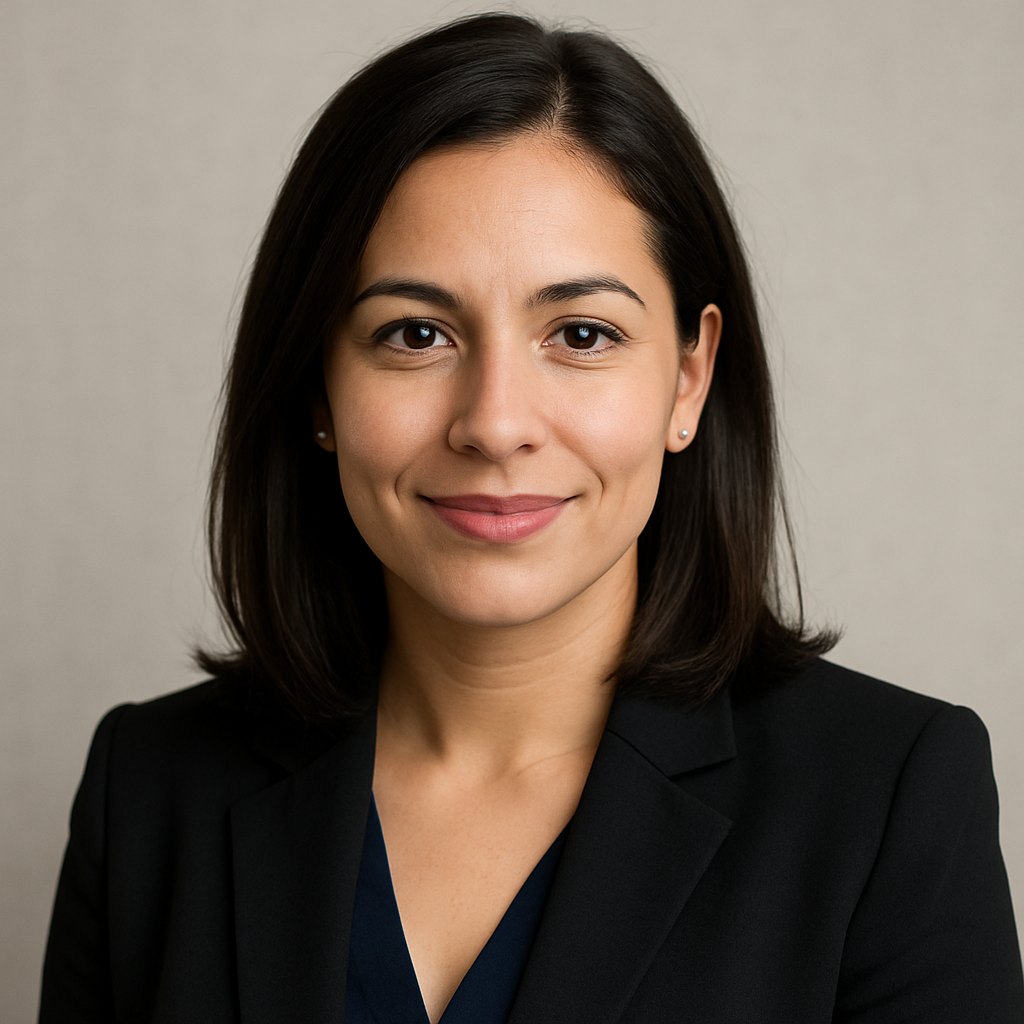
Trading Success Journalist
Sarah Rodriguez chronicles the real experiences of professional traders, from prop firm challenges to scaling successful algorithms. Her compelling narratives reveal the human side of high-stakes trading while maintaining focus on actionable insights and measurable outcomes.

